WINTER MOBILITY SAFETY TIPS FOR WHEELCHAIR USERS
We're in the thick of winter now: cold weather, ice, and the occasional flurry of snow. Navigating this season is challenging enough without having to worry about safety in your mobility equipment.
The conditions that winter brings increase risks for wheelchair users and people with reduced mobility. However, with the right preparation, winter can still be navigated safely and confidently.
Our wheelchair experts at Independence Mobility have shared their top tips to help you stay safe outdoors this winter.
Avoid High-Risk Areas
Avoiding high-risk areas, such as untreated paths, will reduce your chances of losing control in your wheelchair. It may sometimes mean taking a slightly longer route, but the distance is worth it to keep you safe. Stick to well-gritted pavements and roads where possible, and if a route looks particularly icy or hazardous, don't be afraid to turn back and find an alternative.
Beware of hidden hazards, too. Snow and slush can hide uneven pavements, dropped kerbs and potholes. Take extra care with front castors and footplates, as these can catch unexpectedly and cause a sudden stop. Moving at a slower, more controlled pace can help you react safely if you encounter an unseen obstacle.
Choose the Right Winter Tyres and Traction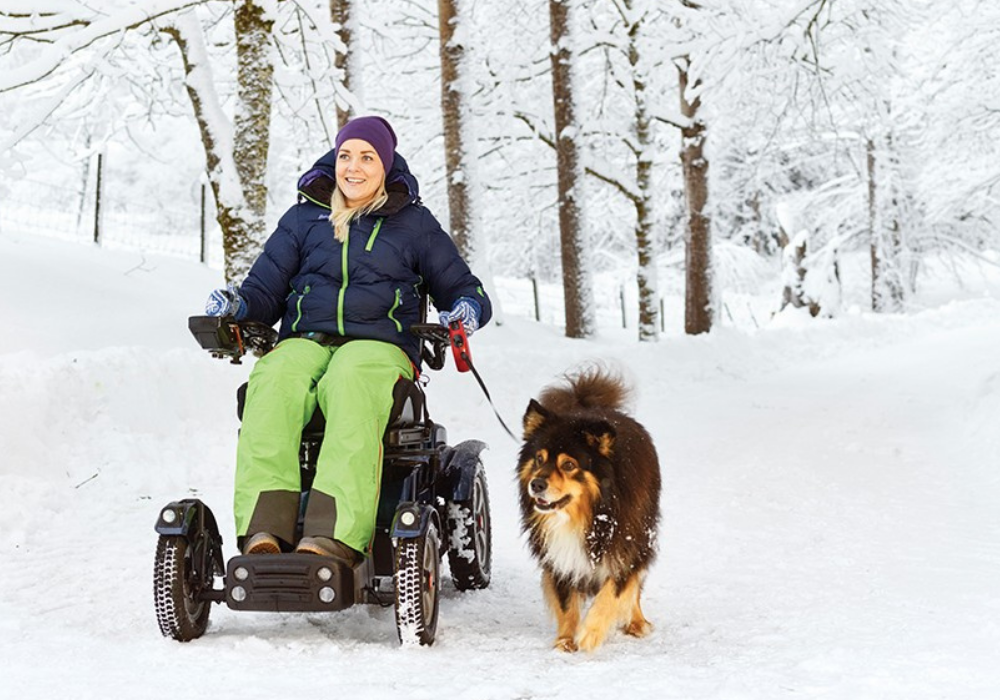
Fitting winter tyres or traction aids to your wheelchair can make a significant difference to your grip and stability on cold, slippery surfaces. Some users find that tyre chains or covers designed for winter conditions give them extra confidence when venturing outdoors.
Make it a habit to check your tyre pressure regularly and ensure your wheels spin smoothly. Properly inflated tyres provide better grip and control, especially on slippery surfaces.
Check Brakes and Moving Parts
Cold and wet weather affects brakes, bearings, and overall performance. Before heading out, test that your brakes engage properly and your wheels spin freely. If you have quick-release axles, make sure they are securely locked in, as grit and moisture can interfere with the fittings. Regular servicing during winter can also help identify and resolve issues before they become more serious.
Protect Your Wheelchair from the Elements
Road salt and grit stick to everything in winter, including frames, wheels and castor forks. Left alone, this can cause corrosion and stiffness over time. After being outdoors, wipe your wheelchair down and dry it thoroughly. Front castors need extra attention since they collect the most dirt and salt.
Battery Care
For those of you with powered wheelchairs, something that can be so easily overlooked is how cold temperatures can affect battery performance and range. Cold weather can reduce battery efficiency by up to 50%, meaning you might not get as far as you usually would on a single charge.
Before heading out in winter, it's best to ensure you have a fully charged battery. This also applies to your mobile phone. It's also a good idea to store your equipment overnight in a warmer environment, such as indoors or in a garage, rather than leaving it outside in freezing temperatures.
Staying Visible
One of our least favourite parts of winter is the dark mornings and evenings. This brings with it a huge risk if drivers and other road users can't spot you in your wheelchair. We recommend using lights, reflectors, and high-visibility accessories, and wearing clothes that enhance your visibility when travelling outside in the dark.
If you use a powerchair, always check that your lights are working properly and are clean and bright.
Keeping Warm
Layers are your best friend in winter. Waterproof and thermal accessories will help keep your body warm without restricting your movement or posture in your wheelchair. Gloves, hand warmers, lap covers and footmuffs are also good ideas to keep your extremities toasty and your circulation in good check.

Don't forget a warm hat too, as we lose a lot of heat through our heads.
Carry Emergency Essentials
When travelling in your wheelchair in winter, it's helpful to carry a few essentials just in case. A mobile phone with sufficient battery, a small torch, hand warmers and emergency contact details are all useful if you're delayed or conditions worsen unexpectedly. A flask with a hot drink can also be a welcome comfort.
Plan Ahead and Allow Extra Time
Winter weather slows everything down. Check the forecast before you head out and if conditions look rough, it might be worth waiting.
Allow extra time for journeys and let someone know where you are going and when you expect to return for added peace of mind.
Prepare Your Home
It's essential to make sure that you prepare the entrance to your home to prevent slips and falls. Keep pathways clear of ice and snow by gritting regularly and consider installing handrails or ramps with anti-slip surfaces if you don't already have them. A rubber mat at your doorway can also help prevent wheels from slipping on wet or icy surfaces.
Stay Safe This Winter
While winter certainly brings its challenges, they are manageable. With the right planning, equipment checks and knowledge, you can be prepared to enjoy the outdoors in your wheelchair, whatever the weather.
If you have any concerns about winter mobility or would like to book an assessment to make sure your equipment is winter-ready, the Independence Mobility team is here to help.
Call us on 0113 262 8000 or email enquiries@independencemobility.co.uk
Image 1 Credit: Permobil X850 Corpus 3G Powerchair
Image 2 Credit: Designed by Freepik